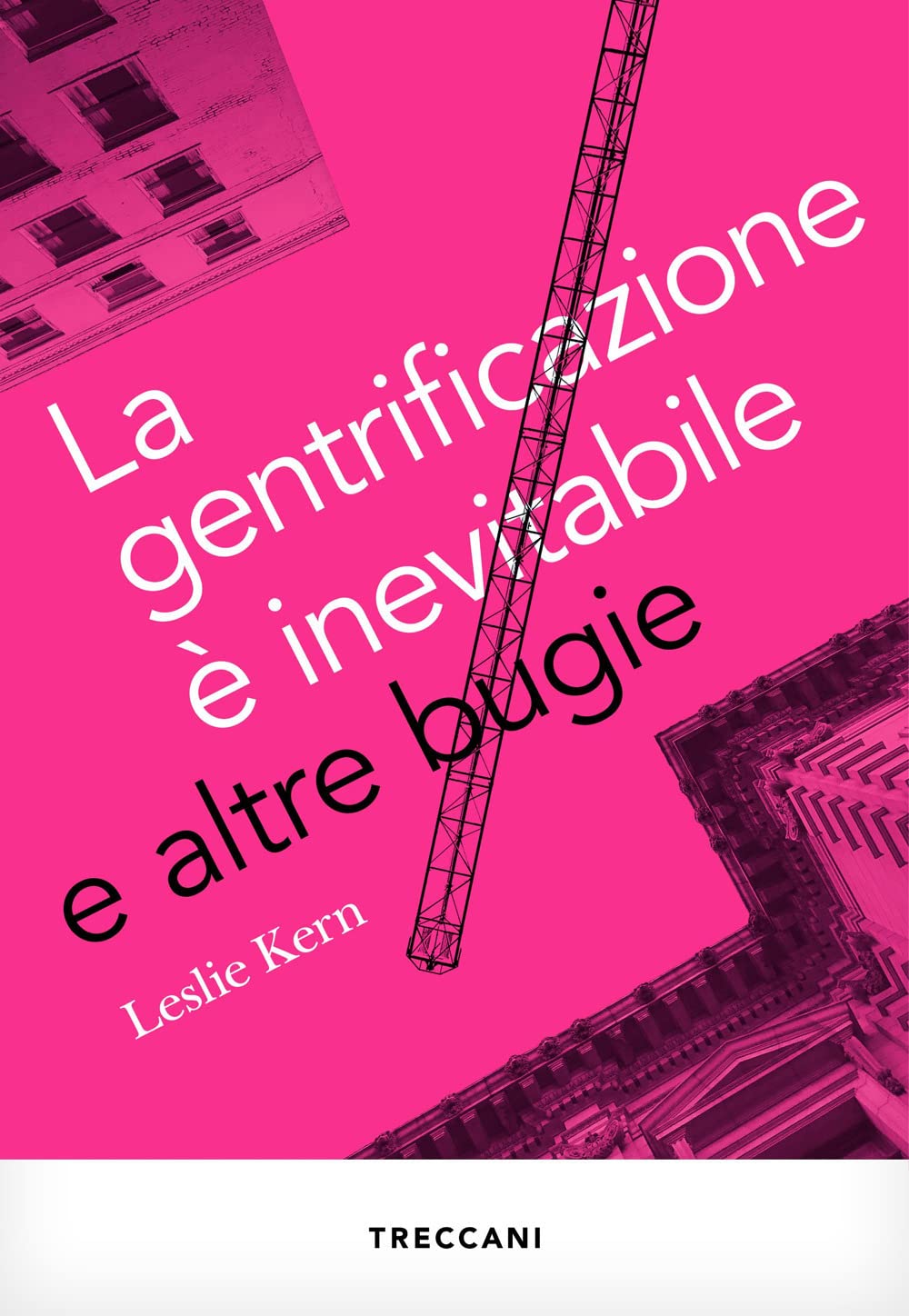

ekes ha recensito Gentrification Is Inevitable and Other Lies di Leslie Kern
An intersectional understanding of Gentrification. Highly accessible if somewhat academic in approach.
5 stelle
Kern looks at the study of Gentrification and how it has changed since the 60s. Breaking away from a class basis to see the wider power relations at play: an extension of settler colonialism, patriarchy, racism, hetreronormativity. The book also challenges the idea that Gentrification is an inevitable part of the development of the city. In this it’s successful, suggesting that Gentrification is displacement, and that displacement can be challenged. It questions if part of the conflict is over the 'taste' for different communities. The suggested approaches to challenging Gentrification are tied to the intersectional understanding. Not being a book written by a campaigner it doesn’t avoid the complexity to offer comfortable solutions. They also at times feel like they risk being individually framed, but would support diversity in shared space, and challenge the underlying power that makes Gentrification happen.
Kern looks at the study of Gentrification and how it has changed since the 60s. Breaking away from a class basis to see the wider power relations at play: an extension of settler colonialism, patriarchy, racism, hetreronormativity. The book also challenges the idea that Gentrification is an inevitable part of the development of the city. In this it’s successful, suggesting that Gentrification is displacement, and that displacement can be challenged. It questions if part of the conflict is over the 'taste' for different communities. The suggested approaches to challenging Gentrification are tied to the intersectional understanding. Not being a book written by a campaigner it doesn’t avoid the complexity to offer comfortable solutions. They also at times feel like they risk being individually framed, but would support diversity in shared space, and challenge the underlying power that makes Gentrification happen.